Coaching for C-level: when honest feedback stops.
The higher the position, the quieter the feedback. What is described as loneliness at the top is a systemic reality, and the most common reason for executive coaching: a confidential sparring partner who knows the dynamics from his own leadership experience.
Executive coaching from my own C-level experience
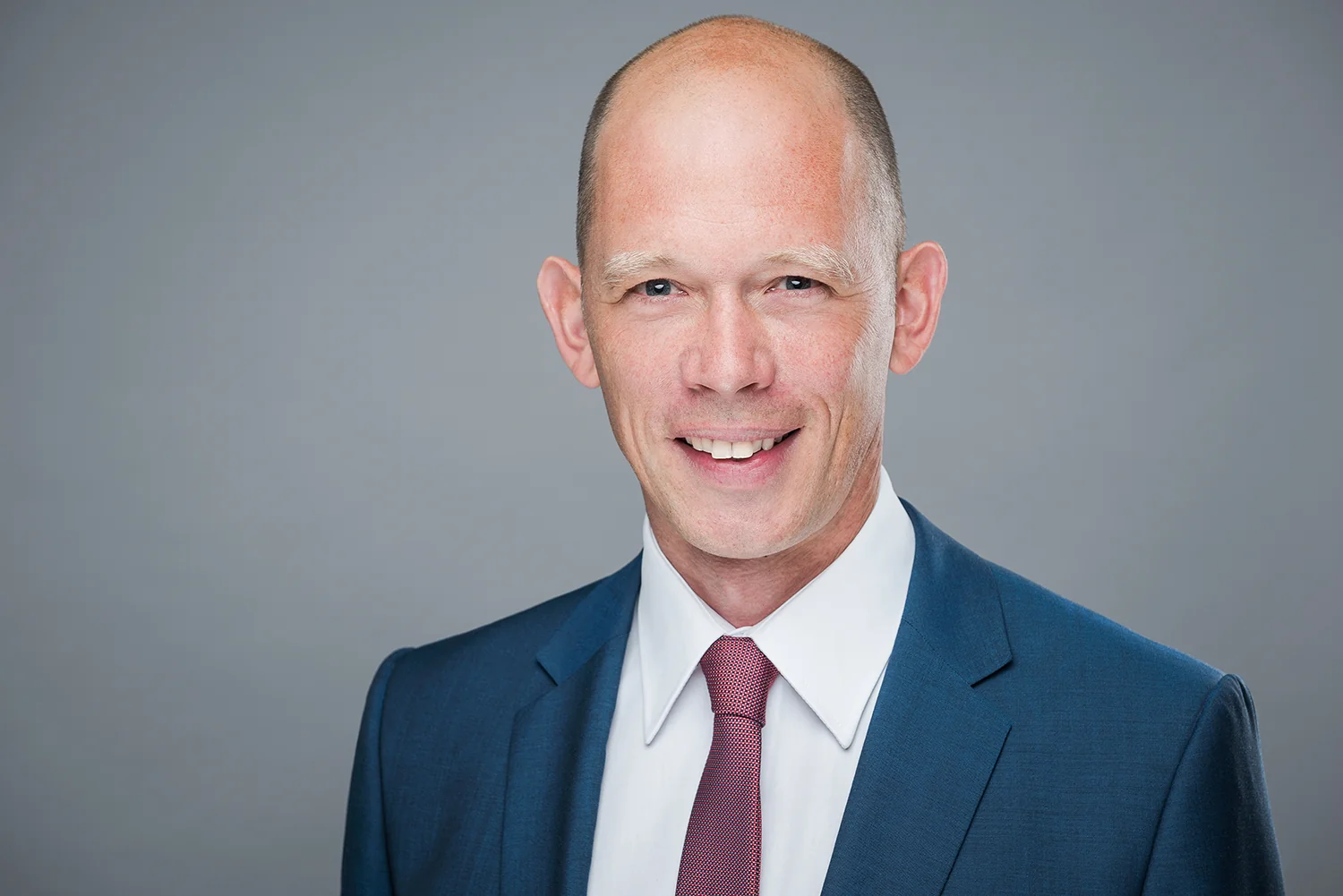
Senior Vice President · Chief Digital Officer · Founder
Over 20 years of leadership responsibility · 1,000+ coaching sessions
Why honest feedback gets rarer at C-level
The higher you climb, the less anyone tells you the truth. Your team filters, your board manoeuvres, your environment shields you. Loneliness at the top is not a cliché. It is a systemic reality.
Decisions get harder: restructuring, layoffs, strategic bets with unclear outcomes. The pressure to constantly project strength costs energy you eventually no longer have.
Burnout does not arrive as a collapse. It begins with the feeling that joy in the work is fading, that the weekend no longer recharges you, that you are functioning instead of leading. My approach: Executive burnout coaching.
You are looking for someone who understands your reality because they have stood in comparable roles. Not as a consultant with advice, but as a sparring partner with their own leadership experience.
A sparring partner who knows the C-level dynamic firsthand
Many leaders at the top are looking for a counterpart at eye level, a sparring partner who knows the dynamics of a C-level role from real responsibility and has made decisions under uncertainty themselves. As Senior Vice President, Chief Digital Officer and founder, I held roles in international companies where the weight and the isolation of such decisions were part of everyday work. From that experience comes a form of sparring that pushes your thinking and takes your specific situation seriously, at the level of your role.
This experience ranges from classic leadership responsibility to the digital transformation I led myself as Chief Digital Officer. For managing directors and boards steering their company through technological change, the sparring connects with an understanding of the strategic and operational tensions of digital leadership.
For me the strength lies in the combination of both sides. The operational experience builds a shared vocabulary and an understanding of the reality at the top. At the same time, the systemic and depth-psychologically grounded work opens the space in which, behind a decision, one's own stance can become visible.
How executive coaching works for burnout risk and uncertainty
Burnout prevention and resilience
Recognising your personal stress threshold, developing coping strategies, securing sustainable performance.
Burnout coaching: the grey zone to therapyCircle of Influence (Covey)
Focus on what you can influence, instead of spending energy on worries you cannot change.
When the job wobblesThoughts and feelings (Diekstra)
Understand the mechanics behind stress: how automatic thoughts create anxiety and how to change them.
First the thought, then the feelingNegative Capability
The ability to remain in uncertainty and not decide prematurely, as a leadership strength.
When you cannot decideWhat clients say
Precise, confident, and unreservedly recommended
„Thomas Knoop impresses with his ability to structure complex issues precisely and get to the point. Combined with his confident moderation skills, he creates a clear framework for profound development processes. I unreservedly recommend him as a coach for demanding leadership questions."
Further insights
Burnout Coaching: The Grey Zone to Therapy
Burnout or already depression? How I take responsibility as a coach in the grey zone to therapy, an open field report from coaching practice.

Thought First, Then Feeling: Manage Stress
Diekstra's 5G model shows: first the thought, then the feeling. How leaders defuse stress and fear by recognising their automatic appraisals.
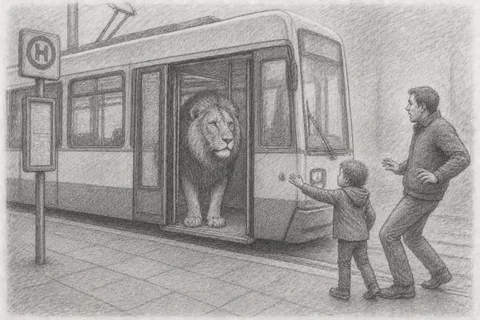
When you cannot decide: choose to wait
On John Keats' "Negative Capability", Wilfred Bion's adaptation in psychoanalytic practice, and why pausing is a real leadership virtue in a culture that rewards speed.

Three Seconds That Separate Leadership from Execution
Generative AI delivers plausible answers in an instant. What gets lost is the short pause in which leaders used to check whether the answer actually holds.

Common questions about executive coaching
- Is the coaching confidential?
- Yes, absolutely. All conversations are subject to confidentiality. I report neither to HR nor to the board. That is the prerequisite for you to speak openly.
- How does coaching work in case of burnout risk?
- We work on recognising your personal stress threshold and develop concrete strategies for sustainable energy. Coaching does not replace therapy but can run alongside it. In my article Burnout coaching: the grey zone to therapy I describe how I navigate this grey zone.
- Do you understand the dynamics at C-level?
- Yes, from my own experience. As SVP, CDO, and founder in international companies, I held roles where decisions had real consequences. I know the pressure, the power structures, and the loneliness at the top.
- How do you support leadership questions around AI and acceleration?
- At C-level, AI becomes a leadership question: the speed of the tools shrinks your window for reflection, and decisions drift from the person into the system. We work on how you stay capable of judgement amid the acceleration, deliberately resist every wave of output, and protect your role as decision-maker. More in my essay Leadership in acceleration.
- What do you do when a leadership situation gets stuck?
- Stuck leadership situations arise when the tolerable state becomes the glue that immunises the system against change. I support C-level executives in breaking through the dynamic – not with radical interventions, but with an approach that uses the tolerable state as a starting point. More in my essay Stuck leadership situations.
- How many sessions are typical?
- Executive coaching engagements typically run 6–12 months, with sessions every 2–3 weeks. I have been a continuous sparring partner for some C-level clients for over two years.
- Online or in person?
- Both. Online coaching offers maximum flexibility, especially for internationally active executives. In-person sessions in Berlin are also possible. Languages: German and English.
- I'm looking for a sparring partner who really pushes my thinking and knows my role. Is that your approach?
- Yes. As Senior Vice President, Chief Digital Officer and founder, I have made decisions under uncertainty myself and know the dynamics of a C-level role from my own experience. From this comes sparring at eye level that takes your specific situation seriously, at the level of your role, and pushes your thinking. The operational experience connects with systemic and depth-psychologically grounded work, so that alongside the decision itself, your own stance also finds space.
A confidential space where you can voice what nobody on the board wants to hear.
If your concern were resolved tomorrow: how would your closest collaborators notice it first?
Book a call