Insights

    Thoughts from coaching practice.

    Here I share observations from more than 20 years in leadership roles and my work as a systemic coach. These are reflections for people who carry responsibility and rarely settle for the first answer.

    Each article stands on its own. Together they form a searchable compendium for effective leadership – filterable by topic, method, and situation. The posts are deliberately short and can be read in a few minutes. They connect concrete methods such as Internal Family Systems, Nonviolent Communication, the Thomas-Kilmann model, or the Johari window with experiences from real coaching sessions with executives, founders, and HR leaders.

    Use the search and topic filters to look up a question that is currently on your mind. If a thought resonates with you, feel free to reach out. The best conversations start exactly that way.


    Daniel GilbertRegion-Beta ParadoxLeadership

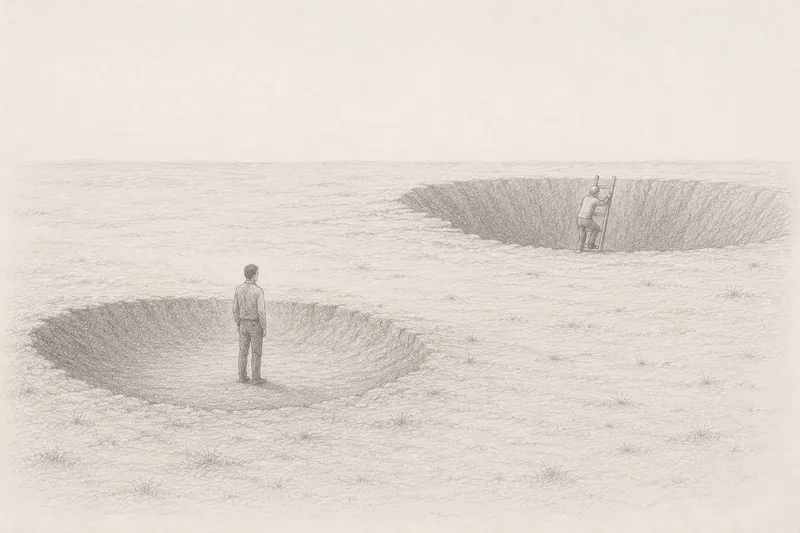
    Somehow still working. Why mediocrity holds longer

    Mediocre leadership situations often hold us longer than clearly bad ones. Why tolerability itself is the glue, and which lever breaks the state open.

    June 20265 min
    Pencil drawing: a wide, pale plain with two pits. On the left a man stands in a shallow hollow that barely reads as a hole and looks into the distance. On the right a figure climbs a ladder out of a deeper pit.
    Daniel KahnemanGenerative AISystem 2

    Three Seconds That Separate Leadership from Execution

    Generative AI delivers plausible answers in an instant. What gets lost is the short pause in which leaders used to check whether the answer actually holds.

    May 20265 min
    Pencil drawing: A man sits in front of a perspectival wall of floating charts, diagrams and text fields. His gaze is forward, calm, checking, while the information space around him keeps expanding.
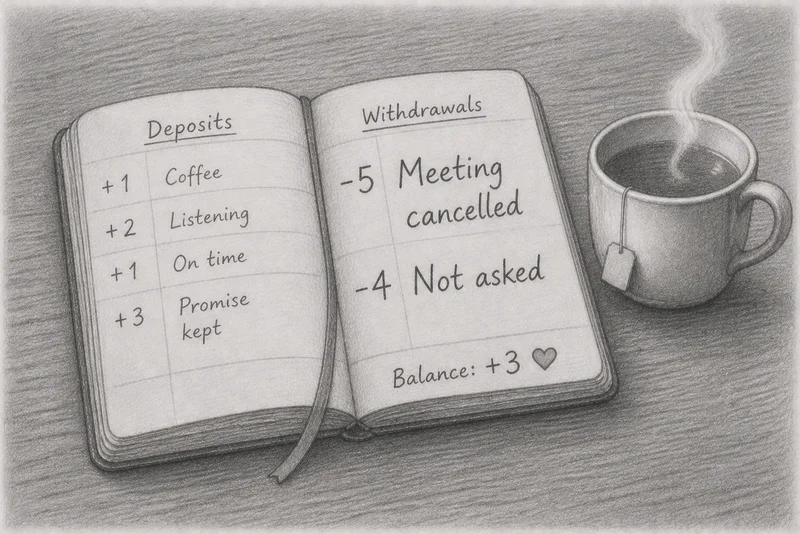
    LeadershipTrustStephen Covey

    Emotional Bank Account: Build a Balance

    On Stephen Covey's image of the emotional bank account, Management by Walking Around, and why remote leaders in particular need time without an agenda for their teams, because otherwise every demand becomes a withdrawal from an empty account.

    May 20266 min
    Pencil drawing: An open notebook on wood, the left page “Deposits" with small positive entries (Coffee, Listening, On time, Promise kept), the right page “Withdrawals" with larger negative entries (Meeting cancelled, Not asked) and a balance of +3, next to a steaming cup of tea.
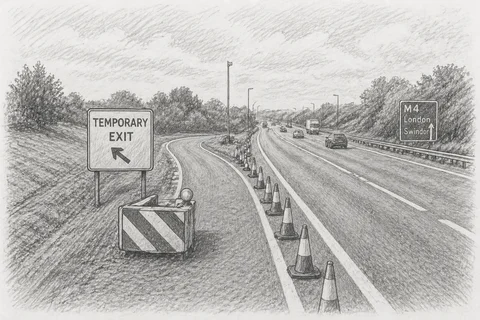
    Behaviour ChangeSelf-LeadershipCoaching

    Temporary Exit: Stress and Old Patterns

    On the motorway of habit, the temporary exit from coaching, and the four stages of real change: why new behaviour is first noticed only in hindsight before it eventually arrives on time.

    May 20264 min
    Pencil drawing: a motorway with a narrow temporary exit on the left, marked by a sign and red-and-white cones, while fast traffic continues on the main carriageway.
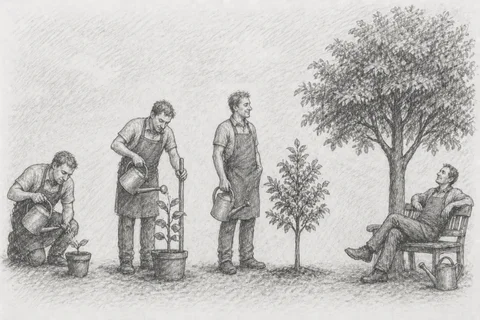
    Situational LeadershipReadiness ModelDelegation

    R4 Trap: Delegation That Overwhelms Teams

    On Hersey and Blanchard's Situational Leadership model, the R4 trap I see in coaching, and the craft of leading each team member according to their readiness for a given task: directing, coaching, supporting, delegating.

    May 20266 min
    Pencil drawing: a gardener tends four plants at different stages of growth, illustrating situational leadership.
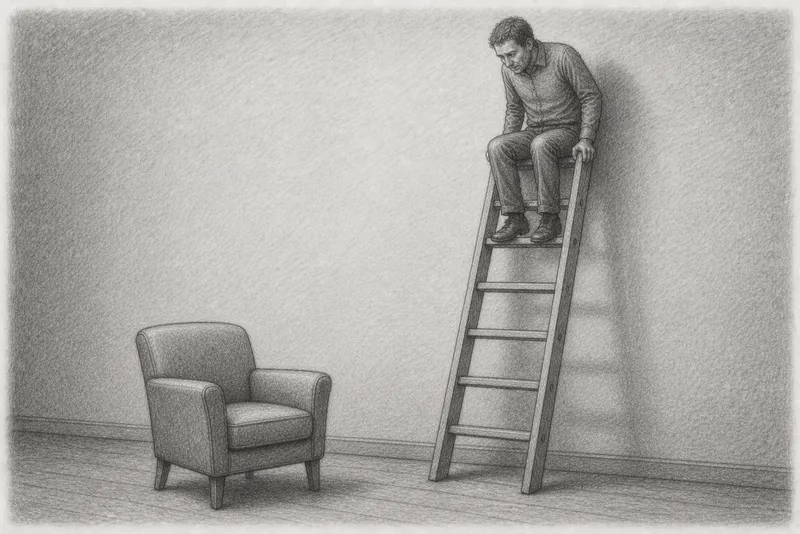
    LeadershipSelf-ReflectionCoaching Methods

    The Peter Principle: Why nobody steps back

    On Laurence J. Peter's principle, the three invisible costs of stepping back from a promotion (financial, inside the company, and at home), and why the real problem is not the person but the system.

    April 20265 min
    Pencil drawing: A man sits pensively on the top rung of a tall ladder, looking down at an empty armchair, a symbol of the Peter Principle and the invisible costs of a step back in one’s career.
    CommunicationSelf-ReflectionLeadership

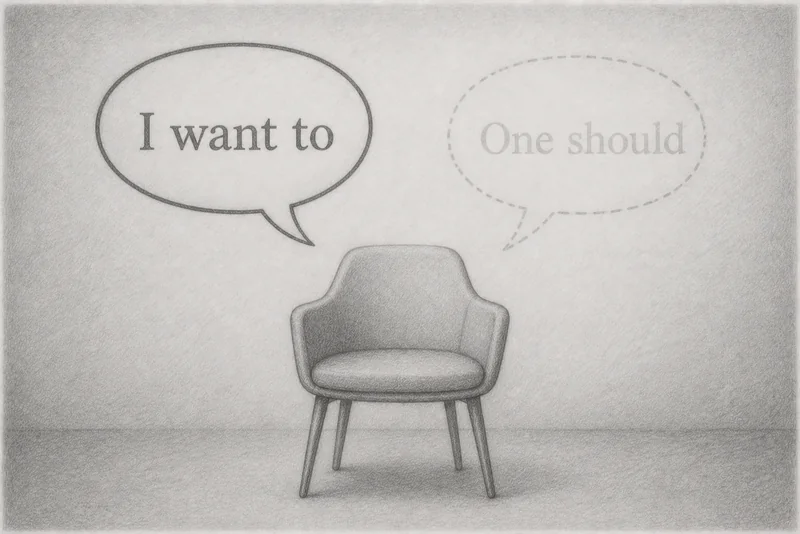
    From “I want to" to “One should"

    How we disempower ourselves in conversation with ourselves without noticing it, and how a single word decides between effectiveness and presence in a leadership role.

    April 20266 min
    Pencil drawing: An empty armchair sits in a room, above it two speech bubbles, a solid one on the left reading “I want to”, a dashed, faded one on the right reading “One should”, a symbol of how the shift from “I” to “one” lets personal agency fade.
    LeadershipCoaching Methods

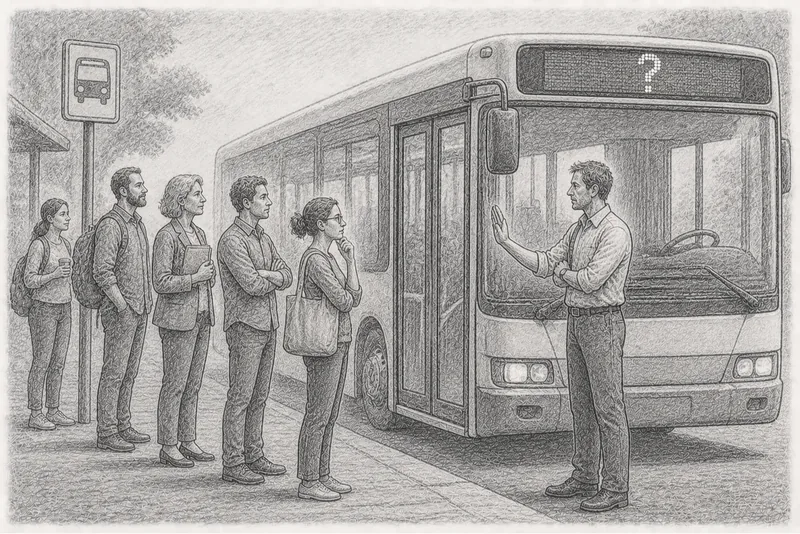
    First Who, Then What: People before structure

    On Jim Collins' surprising principle, Frederic Laloux' organisational colours, and a connection rarely drawn: who is “right” for a team depends on the colour of the organisation.

    April 20266 min
    Pencil drawing: a queue of people at a bus stop, the bus in front shows a question mark instead of a destination, the driver raises a hand to stop them, an image for 'First Who, Then What'.
    Burnout & ResilienceLeadershipCommunication

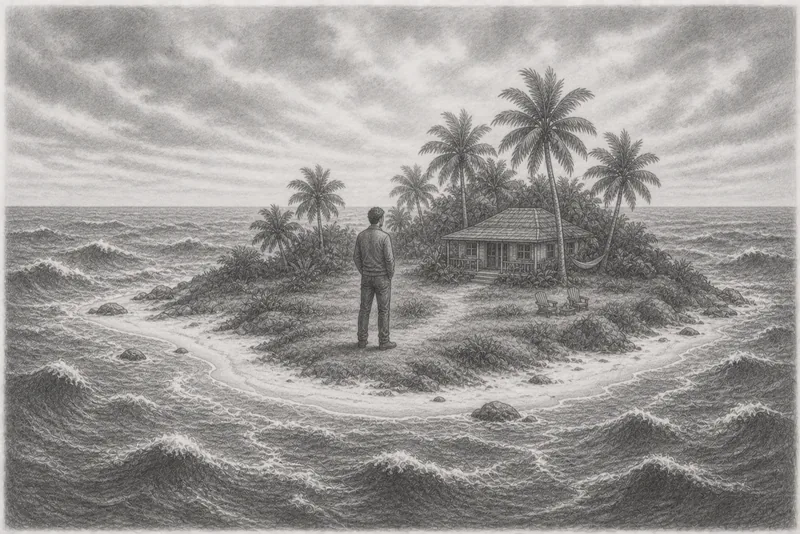
    When the Job Wobbles: Circle of Influence

    On the two sides of job insecurity in mechanical engineering, automotive and steel: the fear of losing your own job and the burden of having to lay others off.

    April 20266 min
    Pencil drawing: a man stands on a small island with a hut and palm trees, surrounded by a roaring sea – a metaphor for the Circle of Influence amidst an uncontrollable outside world.
    CommunicationConflictLeadership

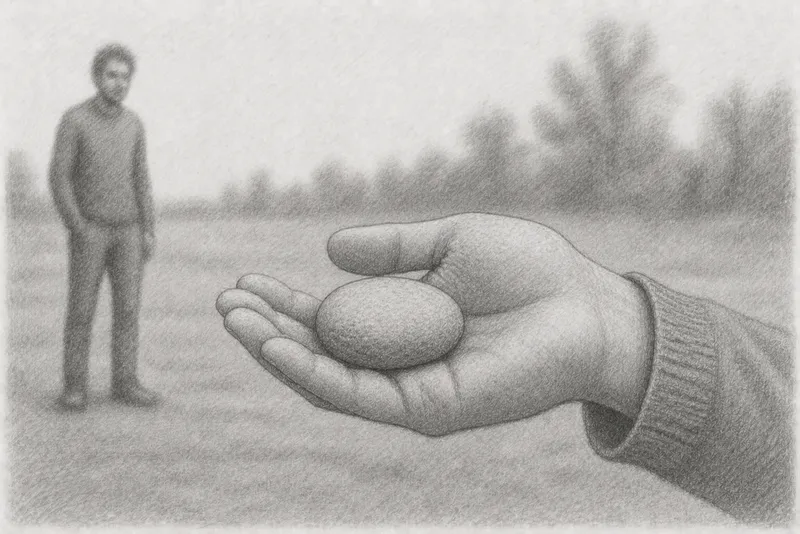
    Nonviolent Communication: Triple Buffer

    Nonviolent Communication after Rosenberg and the triple buffer: two techniques for leaders when conversations get personal and threaten to escalate.

    April 20266 min
    Pencil drawing: An open hand gently holds a smooth stone, with a person standing in a meadow in the background, a symbol for Nonviolent Communication and quietly holding what lies between people in a conversation.
    LeadershipAuthenticityCommunication

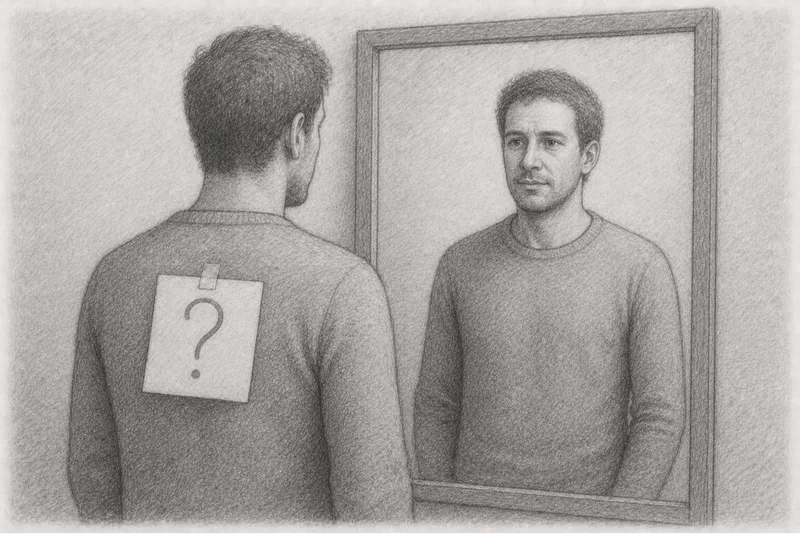
    Johari Window: Blind Spots in Leadership

    The Johari Window in executive coaching: how leaders spot blind spots and façades before they crack under pressure, authenticity as a lever.

    April 20265 min
    Pencil drawing: a man stands in front of a mirror; a sticky note with a question mark is attached to his back, where he cannot see it.
    IFSSelf-ReflectionLeadership

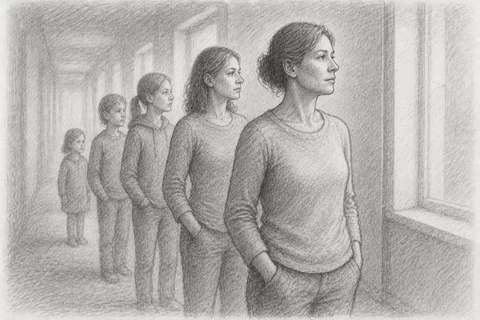
    Emotional Triggers: Echoes from the Past

    Why we sometimes react with a 100 to a trigger that was a 3: how IFS and protective parts explain emotional triggers in everyday leadership.

    April 20264 min
    Pencil drawing: a woman stands at a window; behind her, in a line stretching down a long corridor, her younger selves back to childhood.
    AuthenticityLeadership

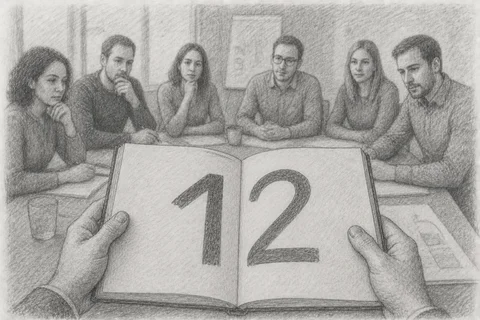
    Big Number: Courage in Strategy Workshops

    Strategy workshop with two young owners: why sharing ambitious goals does not overwhelm organisations but connects them and brings people along.

    April 20264 min
    Pencil drawing: a hand holds up an open book to the team in a workshop, with the number 12 displayed large across both pages.
    ConflictCoaching MethodsCommunication

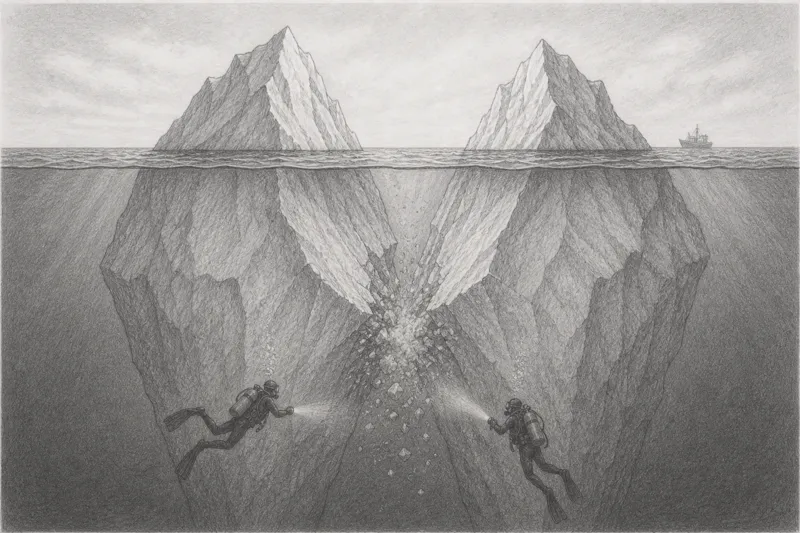
    Conflict Coaching: Thomas-Kilmann Model

    Understanding and resolving conflict means looking beneath the waterline. How the iceberg and Thomas-Kilmann models dissolved hardened fronts in a law firm.

    March 20265 min
    Pencil drawing: two icebergs above the sea, two divers below the surface lighting up the hidden masses with lamps, an image of the iceberg model in conflict.
    LeadershipAuthenticitySelf-Reflection

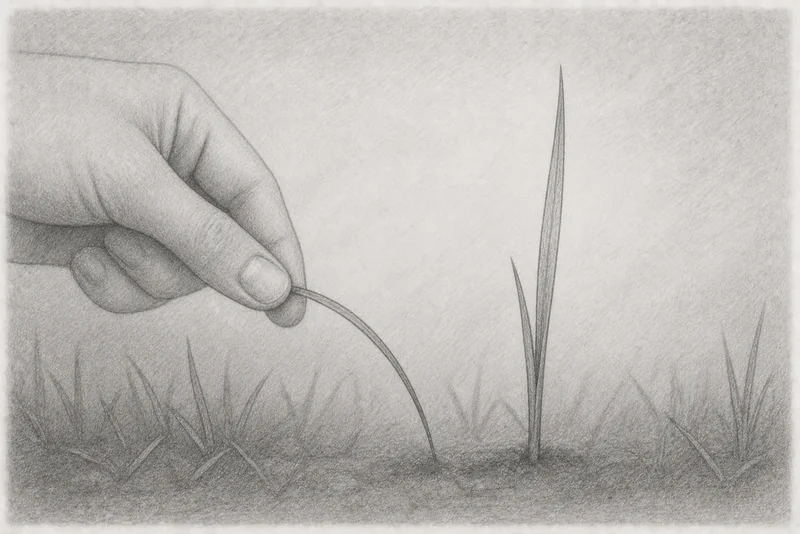
    Corporate Careers: Grass Grows in Its Time

    On Stephen Covey's Circle of Influence, Deci and Ryan's Self-Determination Theory, and the difference between worry-bearers and shapers in corporate careers.

    March 20264 min
    Pencil drawing: A hand on the left impatiently tugs at a single blade of grass and bends it down, while another blade on the right grows undisturbed and upright, a symbol that growth cannot be accelerated by pulling.
    IFSCoaching Methods

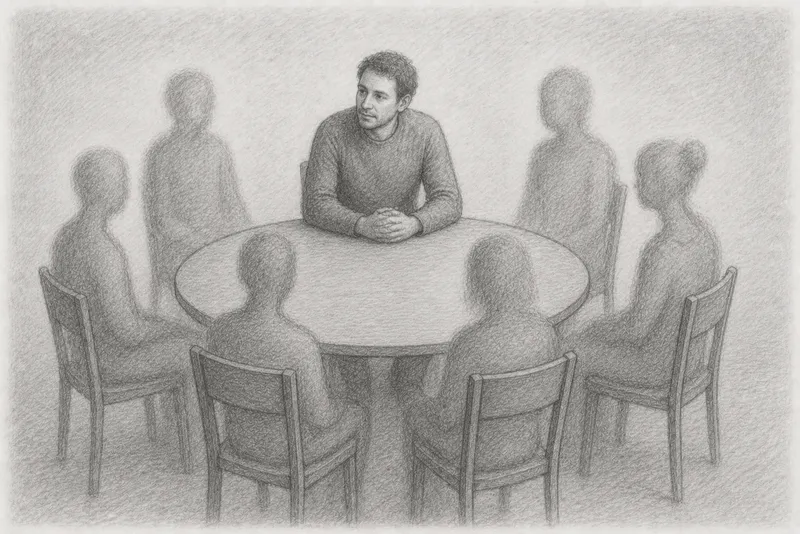
    IFS in Executive Coaching: A Field Report

    Internal Family Systems (IFS) in executive coaching: how the evidence-based method changed my work, and why I'm starting the formal training.

    March 20264 min
    Pencil drawing: A person sits clearly and present at a round table, surrounded by several translucent figures who have taken their seats, a symbol for the inner parts in Internal Family Systems.
    Strategy & DecisionLeadershipCommunication

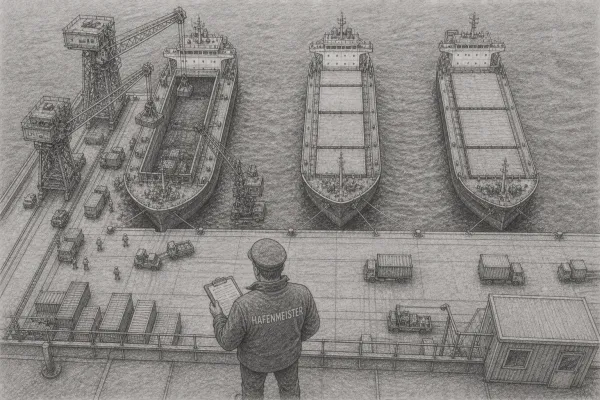
    Harbour Master: Why Parallel Means Late

    On Eliyahu Goldratt's Theory of Constraints, Critical Chain Project Management, WIP limits in agile software development, and the courage to bundle resources instead of running everything in parallel.

    March 20265 min
    Pencil drawing: A harbour master with a clipboard watches three ships – only the first is being unloaded with all cranes bundled, the other two wait orderly at the quay – a symbol for sequential prioritisation instead of parallel overload.
    AuthenticityLeadershipStrategy & Decision

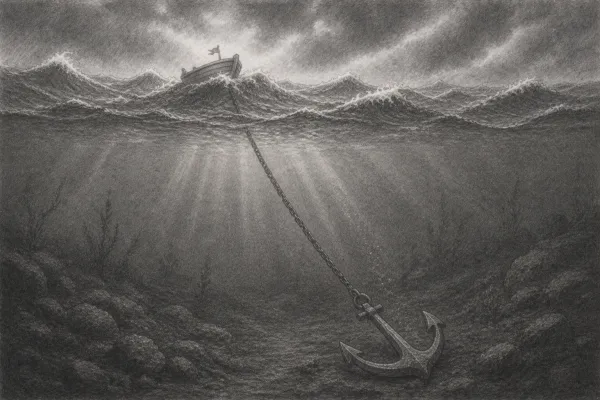
    Purpose in a BANI World: The LIZ Case

    On the story of LIZ Smart Office, Jamais Cascio's BANI model as the successor to VUCA, and the three functions of a precise Purpose in uncertain times.

    February 20264 min
    Pencil drawing: A boat drifts on a stormy sea while deep below a heavy anchor holds firm on the seabed, a symbol for Purpose as an anchor in a BANI world.
    Burnout & ResilienceCoaching Methods

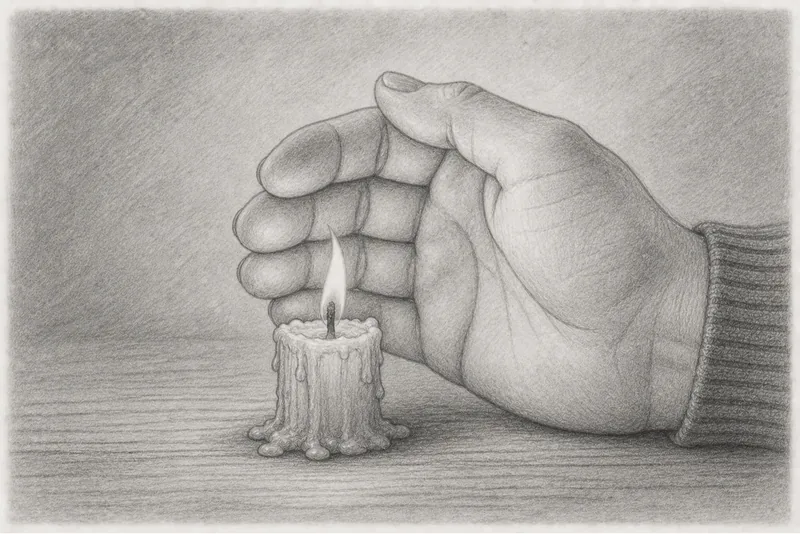
    Burnout Coaching: The Grey Zone to Therapy

    Burnout or already depression? How I take responsibility as a coach in the grey zone to therapy, an open field report from coaching practice.

    February 20265 min
    Pencil drawing: a hand shields a small, nearly burnt-down candle from going out, an image for burnout coaching at the edge of therapy.
    Coaching MethodsSelf-Reflection

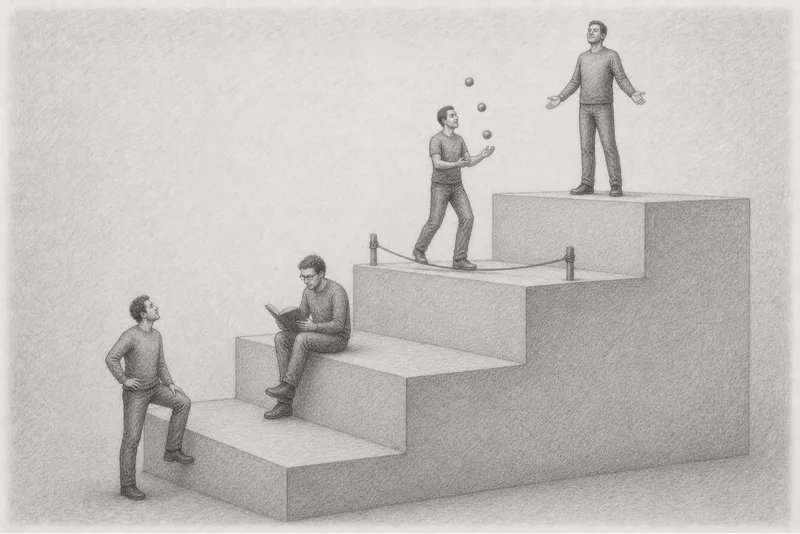
    Coaching Training: Why I Did It Twice

    On the difference between knowing and being able, and why I went through the four stages of learning.

    February 20266 min
    Pencil drawing: four men on a four-step staircase – standing and looking up, reading, juggling on a tightrope, arrived at the top with arms spread wide.
    AuthenticityLeadership

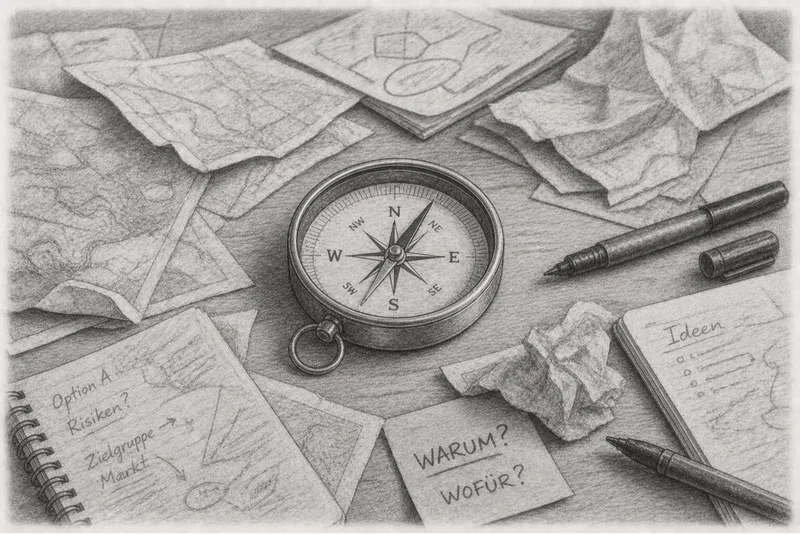
    Start with Why: Purpose Workshop at LIZ

    Purpose workshop based on Simon Sinek's Start with Why: how we developed the Golden Circle for the Lichtvision leadership team in two days.

    February 20264 min
    Pencil drawing: a compass on a desk surrounded by maps, notes and a slip with the questions WARUM? and WOFÜR? (Why? What for?)
    Strategy & DecisionLeadershipCoaching Methods

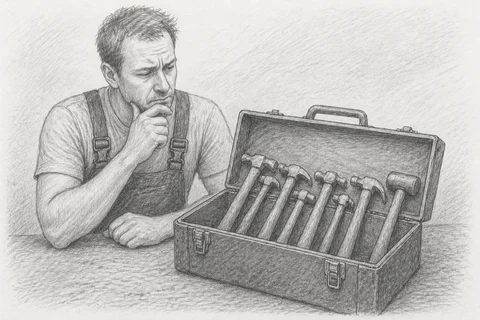
    Maslow's hammer: When one tool is not enough

    On Abraham Maslow's "Law of the Instrument", Daniel Kahneman's System 1, Charlie Munger's case for multidisciplinarity, and three concrete levers for leaders to expand their toolbox.

    February 20264 min
    Pencil drawing: a craftsman pensively studies his open toolbox, which contains nothing but different kinds of hammers.
    Burnout & ResilienceSelf-Reflection

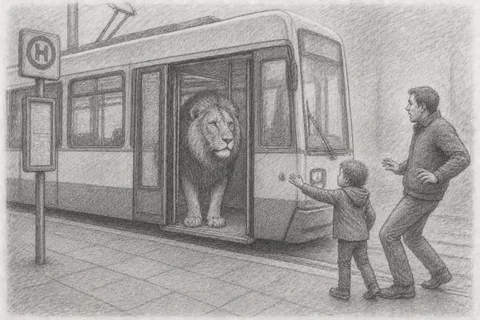
    Thought First, Then Feeling: Manage Stress

    Diekstra's 5G model shows: first the thought, then the feeling. How leaders defuse stress and fear by recognising their automatic appraisals.

    February 20266 min
    Pencil drawing: a lion in a tram with two people reacting differently, illustrating Diekstra's 5G model.
    Strategy & DecisionLeadershipCoaching Methods

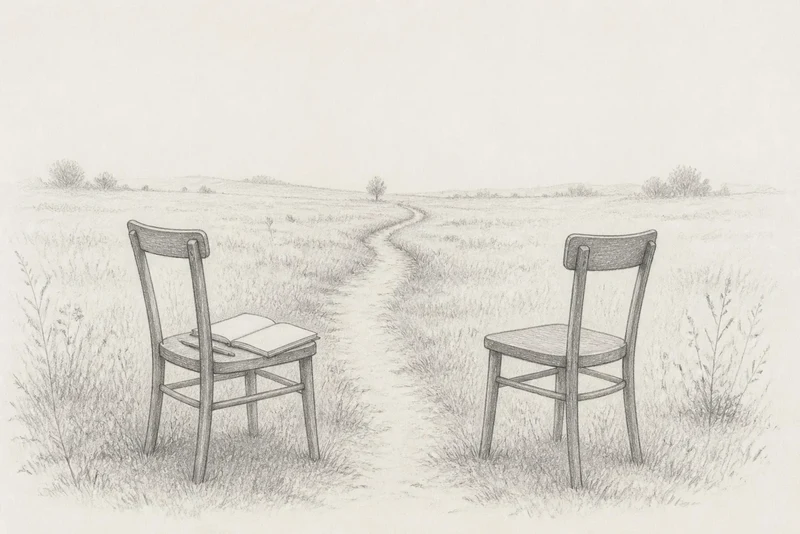
    When you cannot decide: choose to wait

    On John Keats' "Negative Capability", Wilfred Bion's adaptation in psychoanalytic practice, and why pausing is a real leadership virtue in a culture that rewards speed.

    January 20264 min
    Pencil drawing: A man sits calmly on a stone in front of a forked path in open countryside – a symbol of Negative Capability and the deliberate pause before important decisions.
    LeadershipCoaching Methods

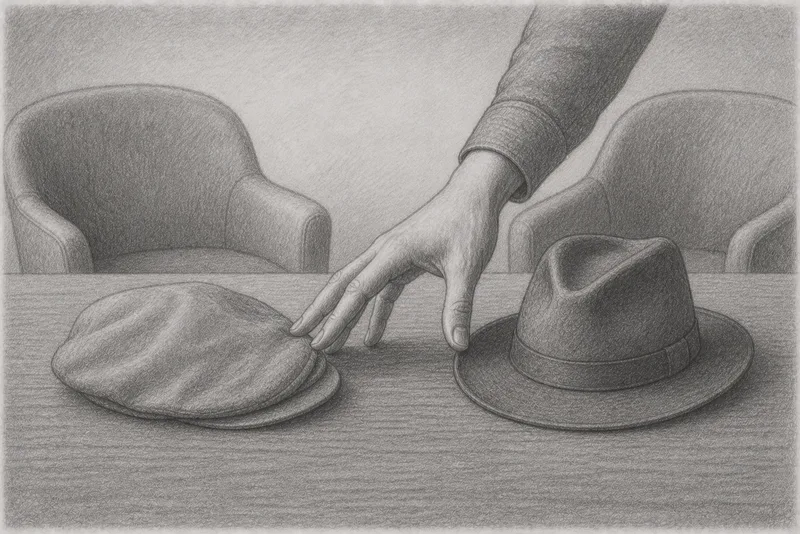
    Executive Coach with Leadership Experience

    Why executive coaches need their own leadership experience: on systemic coaching, Schein's Process Consultation, and the conscious change of role.

    January 20265 min
    Pencil drawing: A hand switches between two hats on a table, a flat cap and a fedora, symbolising the conscious role change between coach and sparring partner with leadership experience.
    Strategy & DecisionLeadership

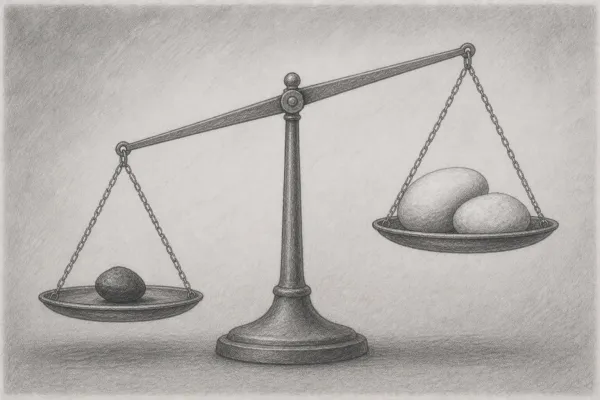
    Loss Aversion: Cleaning Up Beats Growth

    On Kahneman and Tversky's Prospect Theory, Richard Thaler's extension in "Misbehaving", and why investments in quality, master data and service often pay off more than the next growth campaign.

    January 20264 min
    Pencil drawing: A balance scale – a single stone (loss) on one side, two stones (gains) on the other, just keeping the scale level.
    Coaching MethodsSelf-ReflectionLeadership

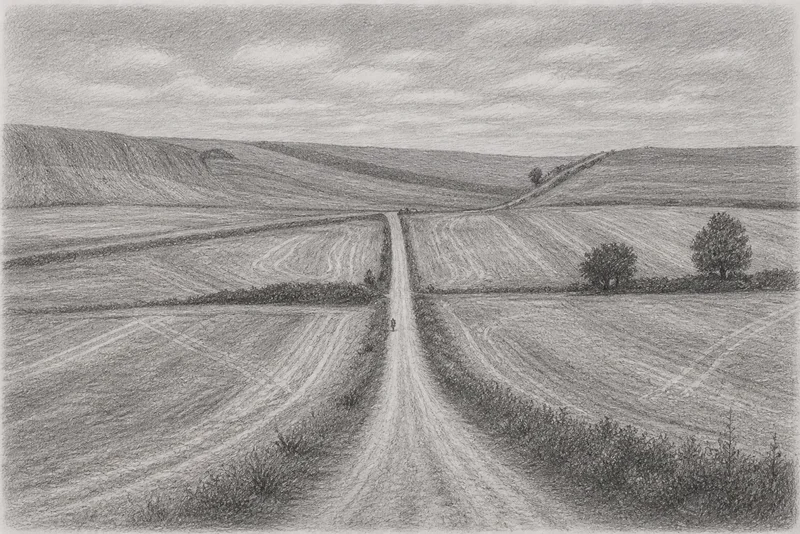
    Why I No Longer Steal Problems: My Path

    830 kilometres on the Camino de Santiago and a single sentence from a Dutch pilgrim shifted my view of leadership and helping, and why good leadership means leaving the problem with the other person.

    January 20263 min
    Pencil drawing: A lone walker on a dirt track stretching through wide fields toward the horizon, a symbol of the path to coaching.
    Leadership Patterns

    Patterns that keep coming up in coaching.

    Short, essayistic observations from coaching practice. Not checklists, but quiet signals that keep appearing in leadership situations.